
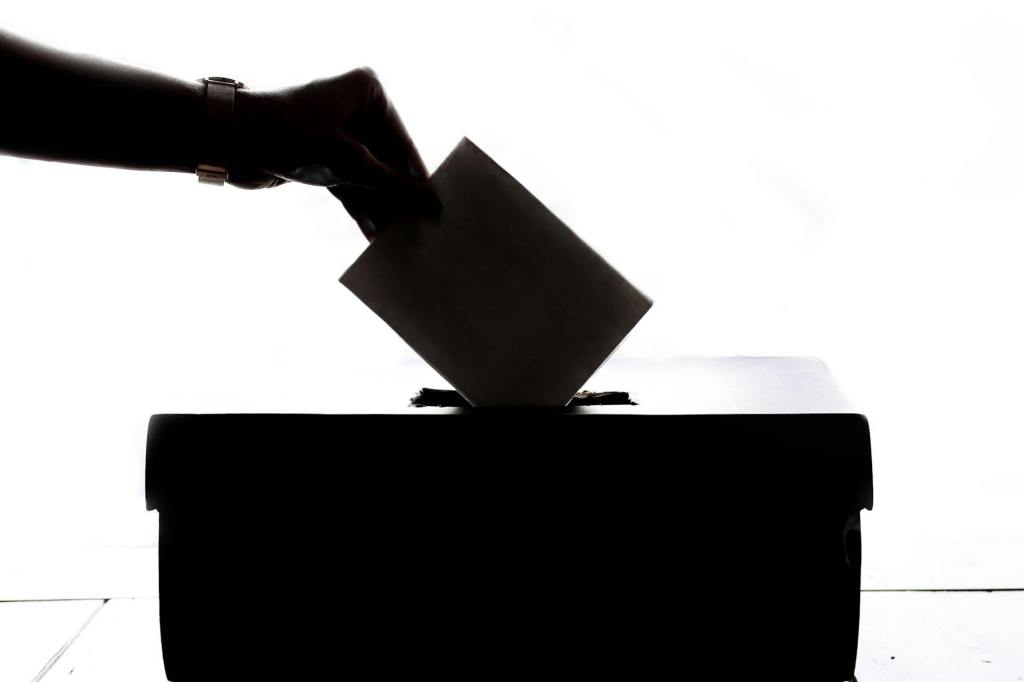
Earlier this month, Wisconsin voters considered a referendum to amend the state constitution and require voter identification at the polls. That referendum passed with significant support from across the state.
Supporters of voter ID laws say they’re necessary to ensure election integrity. The idea is that only American citizens eligible to vote should be allowed to cast a ballot.
So I wanted to take time to consider two questions:
- Is voter fraud actually a widespread problem in American elections?
- If it isn’t, why are voter ID laws still being pushed?
Is Voter Fraud a Widespread Problem?
In short, no. Voter fraud is not rampant. While it may be politically convenient to argue otherwise, study after study has shown that cases of voter fraud are extremely rare. In many situations, fraud is caught before the ballot is even counted—rendering it meaningless from the start. The fraud being caught means we already have significant checks in place to ensure safe and sound elections.
The Brookings Institution examined data collected by the conservative Heritage Foundation. In Arizona, Heritage analyzed 25 years of elections and found 36 cases of fraud out of 42.6 million ballots cast—that’s just 0.000084% of ballots.
In Wisconsin, which just enshrined voter ID into its constitution, 20 years of data revealed 69 cases of fraud out of more than 45 million ballots cast—just 0.00015%.
In no state analyzed was an election outcome altered by voter fraud. Brookings also noted that many states now “pre-bunk” fraud claims by being transparent about how elections are administered and by building in protections to prevent malfeasance.
So Why the Laws?
If voter fraud isn’t a widespread issue, why pursue legislation to stop it? Voting is a fundamental right protected by four constitutional amendments (15th, 19th, 24th and 26th). Why restrict access to that right in response to a virtually nonexistent threat?
Well, data shows that strict voter ID laws disproportionately affect eligible voters—particularly communities of color, low-income voters and the elderly.
The Brennan Center pointed to studies showing that racial turnout gaps widen in states with strict ID laws. In Texas, researchers found these laws disproportionately stop otherwise eligible minority voters from participating.
NPR’s All Things Considered highlighted how older Americans with limited income and mobility often struggle to get IDs. It’s easy to say, “Just go get an ID.” But if someone can’t—for whatever reason—they lose one of the most essential rights of citizenship.
So Now What?
Voter ID laws don’t stop fraud, because fraud was never the real issue. Instead, these laws keep eligible Americans from voting in local, state and federal elections.
I’m not opposed to requiring ID to vote. But if we’re going to make that a requirement, we must also take every step possible to ensure that everyone who is eligible to receive an ID gets one. Here are some examples of how we can do that:
- States should partner with schools to provide IDs to every 18-year-old who doesn’t already have a driver’s license.
- All valid state IDs should be free.
- Eligible IDs should be available at every local election office.
- State-issued ID applications should be accessible online.
If the government is going to require an ID to maintain the right to vote, then it must ensure every American—regardless of ability, income or access—can easily get one.

 Unfiltered Millennial
Leave a comment