
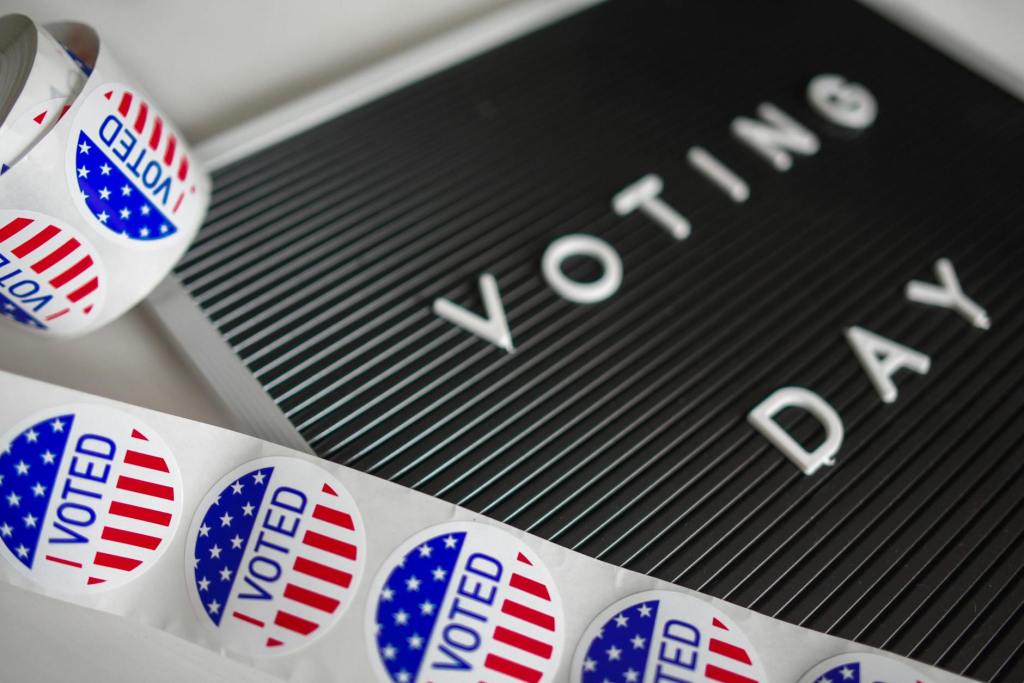

With just about a week until the 2024 election, one line keeps resonating with me. I have heard it from friends or coworkers. “This is the election of our lifetime.” Or, “I feel like I am voting to protect something.”
That got me thinking though, we didn’t always use to think this way. Voting wasn’t seen as a necessity to save some baseline of rights. It also wasn’t viewed as if this election is the end all be all. It made me think how we got to where we are today and how we have avoided it.
First of all, I want to talk about the importance of voting in a society. As a political romantic (aka I love the action of filling in a ballot. #nerdalert), I see nothing more powerful than American citizens taking to their polling places and filling out their ballots. It is the one time when voters have a very direct say in the future of their government. But has this tool been used effectively.
If you were to look at the last election with the largest turnout (66%) since 1900. You might argue, yes. But then I dug into other elections and how those voting numbers looked amongst younger people…and it isn’t great.
In 2020, 50% of voters age 18-29 voted. Not bad, but also it came in last amongst all age groups. The group that was second to last? 30-44 at 51%. In 2022, during the midterms the numbers got even worse with 18-29 only at 27% and 30-44 at 35%. In 2008, which was a banner year for turnout before 2020, only 44.3% of 18-24-year-olds showed up and 25-34-year-olds barely reached 51%.
In some states, mine included, we also have odd numbered year elections for local officials. These include city councils, school boards, park boards, and other positions. These positions truly do affect our day-to-day lives.
Voting is massively important. But the thought of even deigning to join in politics exhausts many. Looking back at past voting data, that exhaustion is obvious. It is stopping many from even showing up to vote. But I argue that this has led us to the current situation of labeling elections as the ‘most important of our lives’ status.
Only certain groups showing up means the candidates they support dictate the path ahead. This affects how your country, state, county, or locality moves forward. It also creates the potential for a low information society that many politicians want. Which, after many years, can help to lead to the situation we find ourselves in today.
But this isn’t the end all be all. The great thing about democracy is that you can step in now and reset. We can start now in fixing our electoral politics for the betterment of our societies.
How can We Fix It?
- Start Voting – The easiest way to start fixing this problem is by showing up. Do not allow dread or anxiety to overtake you. Maintain your active role in the process. An important note here is to make sure you are taking care of yourself. If you need help, please reach out to those who can help you.
- Hold your leaders to account – Voting is not where our role in the process ends. Stay informed and engaged throughout the governing process. It may seem boring, but there is a reason for that. If it is not entertainment, we don’t care. That helps breed this environment for bad actors to take over.
- Talk to Your Friends and Family – We need to start having conversations. They might be viewed as tough. It’s important to discuss why you believe what you believe. We all can be respectful in our taking positions while still advocating for what we believe in and why.
- Engage at the Local Level – You know what effects your day-to-day life the most? Who your mayor, city council member or county chairman is. Those are the people that you will see around your community the most. They are the ones deciding how your trash gets picked up or what your property taxes will be. Engage with them the most. Learn about your leaders and their positions. Attend a city council meeting. Speak to your elected officials about what matters to you at a local level.
These four steps aren’t a cure all to what ails American democracy. But it is a start. If we can all commit to being more engaged with our local officials and undertaking our duties as citizens. Politics is a feedback loop. If an elected official doesn’t listen to their constituency, they will lose credibility. If you then vote, they will lose their actual seat in office. We the people can reset where the true power lies. We can make our politics reactive to OUR needs.
 Unfiltered Millennial
Leave a comment